The ASCEND study is for children ages 2 to 12 who have Dravet syndrome. The study will test ION337, as a potential treatment for Dravet syndrome. ION337 focuses on addressing the most common genetic cause of Dravet syndrome.
The study will begin to assess:
Learn more about the ASCEND study on clinicaltrials.gov
About 32 children are expected to participate in the ASCEND study.
People with Dravet syndrome may be eligible to join this study if they meet certain requirements, including:

2 to 12 years old (inclusive)

Confirmed diagnosis of Dravet syndrome
.png)
Confirmed pathogenic
(or likely pathogenic)
SCN1A variant
(your doctor can help you determine if your child meets this requirement)
%20(3).png)
Currently receiving 1 or more anti-seizure medications at a stable dose for at least 4 weeks
Other study requirements will apply.
Note: Participants can continue their regular seizure medications and treatments during the study. There are only a few exceptions, and the local study team will let you know if anything would need to change.
Most often, Dravet syndrome happens when one of the two SCN1A genes doesn’t work properly, so the brain makes only about half the amount of an important protein called NaV1.1. This protein plays a critical role in helping certain brain cells regulate electrical signaling within neural networks. When there isn’t enough of this protein, those signals can become dysregulated, contributing to the seizures and other symptoms associated with Dravet syndrome.
ION337 is an investigational stage drug we’re studying to see if it might help people diagnosed with Dravet syndrome. ION337 is designed to support the healthy copy of the SCN1A gene so the brain can make more NaV1.1. Because ION337 is aimed at the underlying cause of Dravet syndrome, it works differently from anti seizure medicines, which generally help control seizures without changing how much NaV1.1 the brain can make.
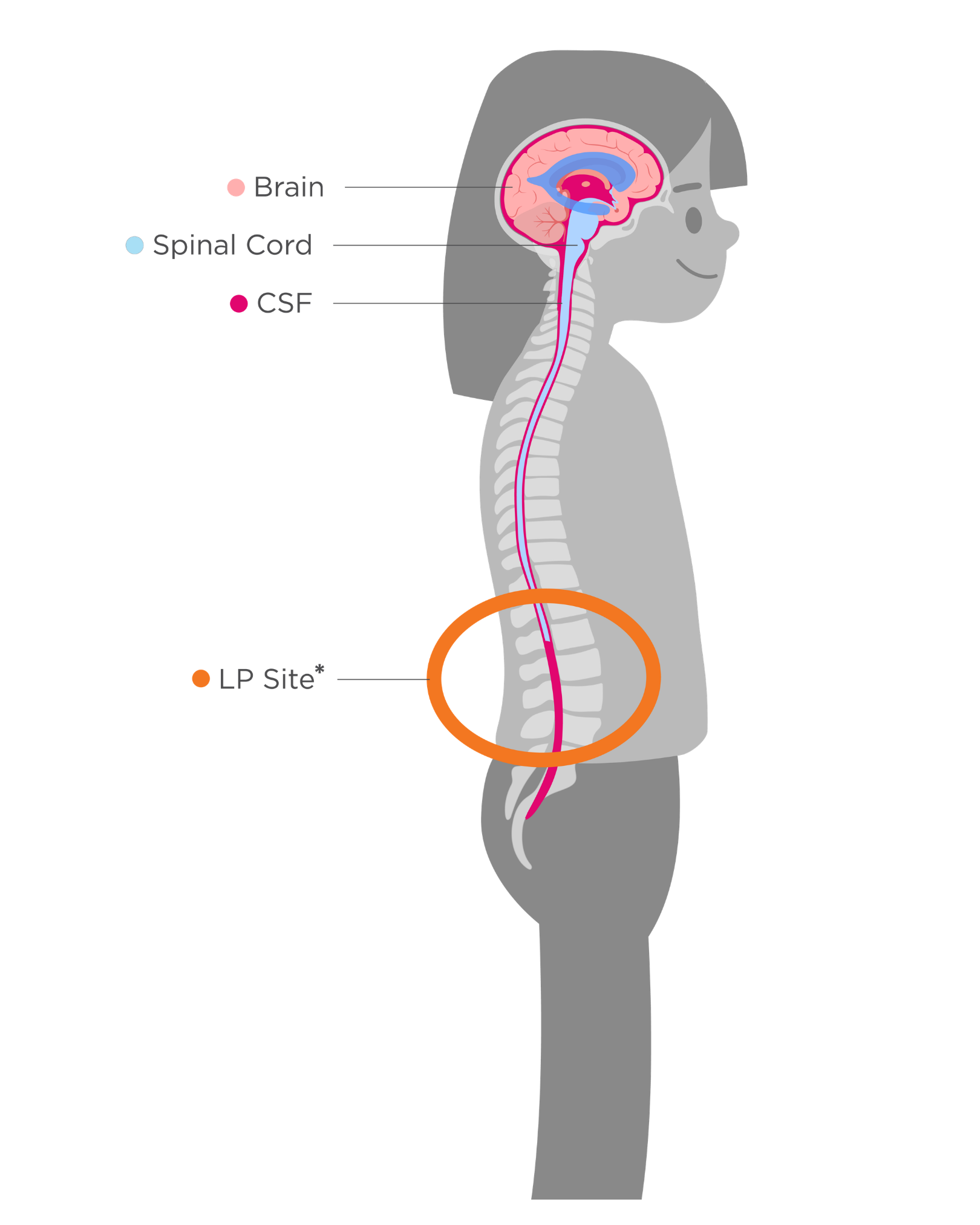
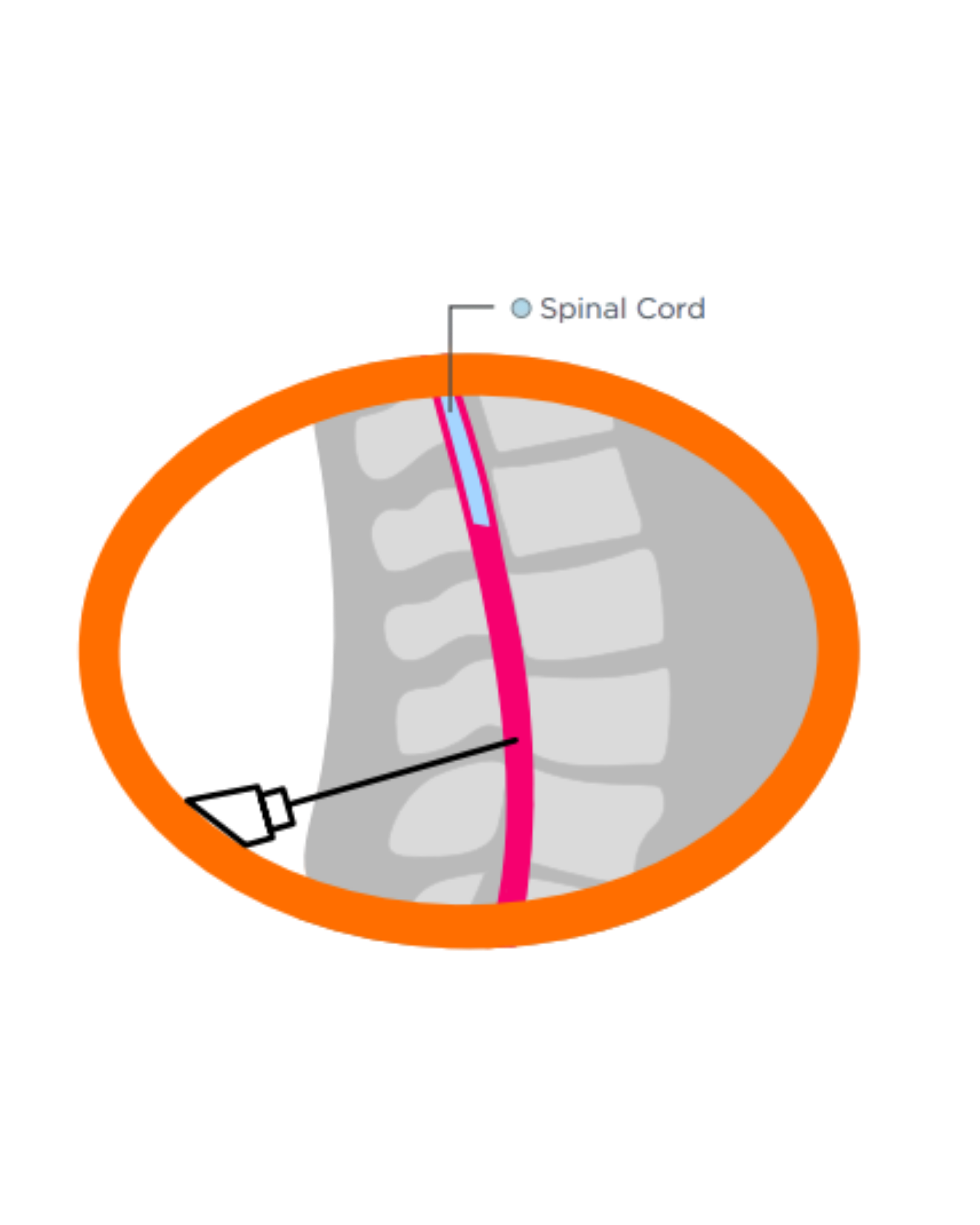
ION337 is given as an intrathecal bolus injection. This injection is given into the lower spine via a spinal tap also known as a lumbar puncture.
Yes, there is no control arm (i.e., placebo or sham) in this study. The ASCEND study is an open label study, all study participants will receive ION337.
"Study drug” means that ION337 is currently being tested and is not approved for sale by regulatory agencies like the U.S. Food and Drug Administration (FDA). Since ION337 is not approved by regulatory agencies, it is considered investigational and is only allowed to be used in clinical studies like the ASCEND study.
.png)
.png)
Participation in the ASCEND study will last approximately 3 years. The clinical study is split into 2 main parts: Part 1 and Part 2.
Note: Participants can continue with their routine seizure medications and other seizure treatments such as a ketogenic diet and vagus nerve stimulation during the study.
Study participants can expect the following:
Participation in a clinical study is voluntary.
You can ask any questions you have and may leave the clinical study at any time, for any reason.

Dravet syndrome is a rare and severe type of epilepsy that starts in infancy, usually within the first year of life. It causes frequent and hard-to-control seizures, often triggered by fever or from rapid temperature changes. These seizures can be prolonged and may change as the child grows.
Dravet syndrome affects more than just seizures. Children often experience developmental delays, speech and language difficulties, movement and balance problems, sleep issues, and other health challenges. Because the condition requires constant care, it can greatly impact the quality of life for both the child and their family.
Most cases are caused by a change in a gene called SCN1A, which affects how the brain’s electrical system works. Current treatments help manage seizures but do not cure the disease, and the risk of serious complications, including sudden unexpected death in epilepsy (SUDEP) which remains high.
Dravet syndrome symptoms may include but are not limited to the following:

Prolonged Seizures that Start Early in Life
.png)
Different Types of Seizures
.png)
Development, Behavior, and Other Non-seizure Aspects
Mental & Emotional Health Resources Available to the Dravet Syndrome Community
Dravet syndrome community members can access resources and support through the following nonprofit organizations, among others:
THE AMERICAS
Dravet Canada – Canada-based nonprofit organization providing information about Dravet syndrome spectrum disorders and support and resources to impacted families.
Dravet Syndrome Foundation of the United States – Nonprofit organization providing information about Dravet syndrome, caregiver support groups and resources including mental-health modules, and coping resources.
Caregiver Action Network – US-based nonprofit organization providing resources to family caregivers, including emotional health and respite care information.
ASIA
Dravet Syndrome Japan – Japan-based nonprofit organization providing information about Dravet syndrome and caregiver andsocial support resources.
AUSTRALIA
Epilepsy Foundation of Australia – Nonprofit organization providing information about conditions that involve seizures (epilepsy), including Dravet syndrome, and resources regarding mental health and wellbeing.
EUROPEAN UNION
Alliance syndrome de Dravet – France-based nonprofit providing information about Dravet syndrome and caregiver and sibling-specific support programs.
Fundación Síndrome de Dravet – Spain-based nonprofit providing information about Dravet syndrome and psychosocial care and support program for families with Dravet syndrome.
UNITED KINGDOM
Dravet Syndrome UK – Nonprofit organization providing support and resources to caregivers, including a guide for families on accessing mental health support.
NOTE: A person’s doctor should be their primary source of information on health-related topics.
Dravet syndrome is caused by changes in how the gene SCN1A behaves in a person’s brain. ION337 was designed to potentially address that error. Rather than injecting ION337 directly into the brain, it is administered into the cerebrospinal fluid in the spinal cord, which freely travels up into the brain. This procedure is called an intrathecal administration.
Doctors perform this procedure by doing a lumbar puncture, also known as a spinal tap. Participants in the clinical study will receive injections of ION337 under the care of trained medical professionals to ensure it is administered safely.
An ASO is a specific type of drug built by scientists to act on specific RNA inside a person’s cells found to be associated with a given health issue. ASOs can be designed to degrade this specific RNA, which can result in the reduction of the protein associated with a given health issue. ASOs can also be designed to change the way the target RNA is processed to increase its function and protein it encodes. ION337 is an ASO that has been designed to help the healthy copy of the gene that causes Dravet syndrome (SCN1A) to work better, so the brain can make more of a protein called Nav 1.1.
Participating in a clinical study is a significant decision and comes with notable commitment of time, including travel. For this study, both the study participant and their caregiver must travel to the study site several times throughout the study. This will include at least one trip to complete a screening visit and upwards of 14 additional trips during the Treatment and Post-Treatment Periods of the study. While most visits are expected to last only a few hours, some may span up to multiple days.
Support in making travel arrangements will be offered to study participants. Eligible travel expenses associated with the study will be covered by the study Sponsor.
Yes, everyone enrolled in this study will receive ION337. There is NO placebo or sham in this study.
No, ION337 is not “gene therapy”. The term “gene therapy” generally refers to medicines designed to directly interact with a person’s “genes” (DNA). ION337 is a type of RNA-targeted therapy known as an antisense oligonucleotide (ASO). An ASO is a type of medicine designed to target the body’s RNA, not DNA. By targeting a specific RNA, ION337 is designed to increase production of an important protein that is reduced in people with Dravet syndrome, called NaV1.1.
Here are some common questions and answers about study participation.
Clinical research studies, or trials, help scientists and doctors explore whether a medical strategy, device, or medication is safe and effective for people. Before any medication can be approved and made available to the public, it must go through several phases of clinical research.
Before enrolling in a clinical study, parent/caregiver or patient must sign an Informed Consent Form (ICF). The ICF contains information about the study, including study goals, how long the study will last, benefits and risks, and the tests and procedures you will receive. Parents/caregivers are encouraged to carefully read the ICF and ask study site staff questions before signing it.
Study participation usually involves visiting a clinic regularly, taking or receiving the study drug, and having assessments to monitor the participants' health. Participants can continue to see their doctor, but they should be informed about their study participation.
Participation in clinical research studies is your choice, and you may stop at any time.
If you have additional questions about participating in a clinical research study, learn more on clinicaltrials.gov.